When Victims Speak and No One Listens
Coming forward as a victim of exploitation takes extraordinary courage. When those voices are dismissed, ignored, or sidelined, the harm does not end. It deepens. This post explores the emotional and systemic impact of not being heard, why trust in institutions erodes when accountability fails, and why survivor-centered systems are essential to preventing future harm.
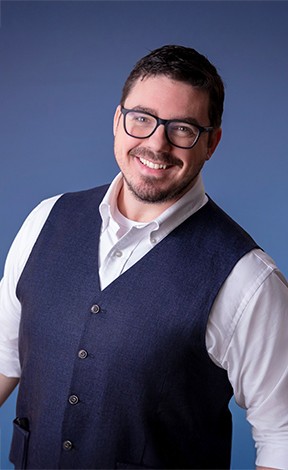
Scott Burch
Founder & Executive Director
The Courage It Takes to Speak

For many victims of trafficking and exploitation, speaking up is one of the hardest things they will ever do.
It often means reliving trauma. It can mean facing public scrutiny. It can mean risking retaliation, disbelief, or being reduced to a headline instead of seen as a human being.
Coming forward is rarely convenient. It is rarely clean. And it almost never feels safe.
That is why being heard matters so deeply.
When Institutions Fail to Listen
Recent congressional hearings, including coverage by Politico (Link: https://www.politico.com/live-updates/2026/02/11/congress/pam-bondi-howard-lutnick-00776491) and NBC News (Link: https://www.nbcnews.com/politics/justice-department/pam-bondi-hearing-jeffrey-epstein-trump-rcna258522), have once again highlighted concerns about victims whose statements were not fully considered or who felt sidelined in broader proceedings. Regardless of political affiliation or outcome, one reality remains consistent across cases of abuse and exploitation: when victims are not heard, trust erodes.
When more attention appears to be directed toward protecting reputations, defending power, or managing optics, the message victims receive is clear. Their pain is secondary.
This pattern is not new. Survivors across industries have described being dismissed, minimized, or told to remain silent for the sake of stability or influence.
Each time that happens, the damage multiplies.
The Cost of Being Ignored
When a victim gathers the strength to speak and is met with dismissal, several things occur at once.
First, the trauma compounds. Being ignored reinforces the original harm. It confirms fears that no one will help.
Second, other victims watch. They see how the system responds. If accountability appears inconsistent or selective, fewer people come forward.
Third, the public loses confidence. If institutions cannot be trusted to prioritize victims over abusers or buyers, skepticism becomes rational.
Trust, once broken, is not easily restored.
When Accountability Feels Uneven
There is also a broader concern that surfaces repeatedly in trafficking and exploitation cases. Efforts sometimes seem more focused on shielding those who purchase, exploit, or enable harm than on centering the people harmed.
Whether through legal maneuvering, delayed processes, or procedural neglect, the perception of uneven accountability damages more than individual cases. It undermines the credibility of the entire system.
Victims deserve more than symbolic acknowledgment. They deserve consistency, dignity, and follow-through.
Why This Matters for Prevention
Human trafficking prevention is not only about identifying exploitation. It is about building systems where victims believe they will be protected if they speak.
If coming forward leads to dismissal, retraumatization, or silence, prevention efforts stall.
This is one of the reasons Through Their Eyes is being developed with survivor-informed principles at its core. Education must reinforce dignity. It must model what accountability looks like. It must prepare professionals to respond ethically and responsibly.
Prevention is not possible without trust.
Founder Perspective
As we’ve built Room To Care, one principle has guided every decision. If someone gathers the courage to tell the truth about harm, they deserve to be heard with care and seriousness.
Watching public proceedings where victims’ voices appear sidelined is difficult, not because of party lines, but because of what it signals to people who are still deciding whether to speak.
We cannot ask victims to come forward and then fail them when they do.
That is why this work matters so much.
A Responsibility That Extends Beyond Headlines
This conversation is not about political allegiance. It is about the standard we hold for systems entrusted with justice. Victims have a right to be heard. They have a right to due process. They have a right to dignity.
When those rights are compromised, the ripple effects extend far beyond a single hearing or case.
If we want to end trafficking and exploitation, we must build cultures and institutions where truth is not inconvenient and accountability is not optional.
Room To Care is committed to building education that centers survivors and reinforces ethical accountability. If you believe victims deserve to be heard and protected, we invite you to support the development of Through Their Eyes through individual donations or corporate sponsorship. Your support helps ensure this work remains survivor-informed, responsible, and focused on prevention.
Donate today, and help leave Room To Care with your voice, and your support.
Read more

Behind the Stories: A Week of Filming
Room To Care spent this week in Frisco with survivors, cameras rolling and hours of footage captured. Here's where things stand and what comes next.
Scott Burch
Founder & Executive Director

Through Their Eyes Production Update: Filming Starts Next Week
Our first survivor interviews for Through Their Eyes begin April 28th. Here's what that means, what you'll see, and what we still need.
Scott Burch
Founder & Executive Director
Open Doors at The Potter's House
Room To Care joined VisioTech at The Potter's House in Dallas for an honest conversation about what it actually takes to keep children safe in an always-online world.
Scott Burch
Founder & Executive Director