Why Vulnerability Is Rarely an Accident
Vulnerability is rarely accidental. It is created over time when support is missing, information is unclear, and options begin to narrow. This post explores how vulnerability forms, why it matters for human trafficking prevention, and how this understanding shapes the way we are building Through Their Eyes. It also explains why donations and sponsorships help make this education possible.
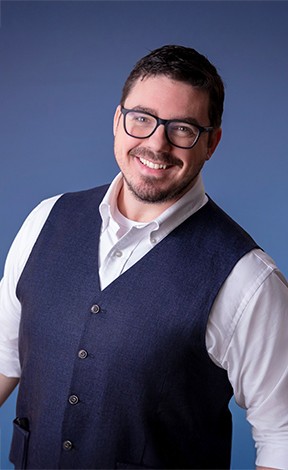
Scott Burch
Founder & Executive Director
Vulnerability does not appear overnight. It is created slowly, often quietly, and usually through a series of moments where support is missing, information is unclear, or choices begin to narrow.
When we talk about human trafficking, the focus often jumps straight to the act of exploitation. But trafficking does not start there. It starts much earlier, when people are pushed into situations where survival requires trust in the wrong places, silence in unsafe conditions, or acceptance of harm as the cost of stability.
Understanding how vulnerability forms is essential to prevention.
How Vulnerability Takes Shape
People become vulnerable when systems fail to meet basic needs. Housing instability, financial pressure, lack of access to healthcare, language barriers, fear of authority, and isolation all contribute. So does misinformation, especially when people are unfamiliar with their rights or unsure who they can trust.
These conditions are not abstract. They exist in real communities, across industries, and in everyday environments. Vulnerability grows when someone feels they have no safe options left. That is the moment exploitation becomes possible.
This is why trafficking does not rely on force alone. Fraud and coercion are often more effective. Promises of work, safety, or opportunity can quickly turn into control when the truth is withheld and support disappears.
Why This Matters for Prevention
When vulnerability is misunderstood, prevention efforts fall short. If we only look for visible abuse, we miss the earlier warning signs. If we assume trafficking only happens to certain types of people, we overlook how quickly circumstances can change.
Prevention begins long before exploitation. It begins with recognizing risk factors, understanding how power and control operate, and responding before harm escalates.
Education plays a critical role here. When people know what vulnerability looks like, they are more likely to notice when something feels off and to respond with care instead of assumptions.
How This Shapes Through Their Eyes
This understanding is central to how Through Their Eyes is being built.
The program is designed to help people see vulnerability as a process, not a moment. It focuses on real-world scenarios, survivor-informed insight, and industry-specific education that reflects how trafficking actually occurs.
By shifting the focus upstream, education becomes a tool for prevention, not just awareness.
This work requires time, research, and collaboration with experts and survivors. It is one of the reasons Room To Care is currently raising funds and opening the door to individual donations, corporate support, and sponsorships. Building education that reflects reality takes resources, and we are committed to doing it responsibly.
Why This Conversation Matters Now
Vulnerability is not evenly distributed. It increases when people are displaced, misinformed, isolated, or afraid to ask for help. When systems move people without clarity or support, when trust is eroded, and when due process feels uncertain, risk increases.
Recognizing this is not about blame. It is about responsibility.
If we want to reduce exploitation, we have to understand how it begins. That is where meaningful prevention starts.
Building education that reflects the real pathways into exploitation takes time, care, and resources. Through Their Eyes is being developed thoughtfully, with survivor-informed insight and a commitment to accuracy and empathy. If this work resonates with you, we invite you to support its development by contributing through our donation page or exploring corporate sponsorship options. Your support helps ensure this program is built responsibly and reaches the people who need it most.
Donate today at https://RoomToCare.com/Donate
Read more

Behind the Stories: A Week of Filming
Room To Care spent this week in Frisco with survivors, cameras rolling and hours of footage captured. Here's where things stand and what comes next.
Scott Burch
Founder & Executive Director

Through Their Eyes Production Update: Filming Starts Next Week
Our first survivor interviews for Through Their Eyes begin April 28th. Here's what that means, what you'll see, and what we still need.
Scott Burch
Founder & Executive Director
Open Doors at The Potter's House
Room To Care joined VisioTech at The Potter's House in Dallas for an honest conversation about what it actually takes to keep children safe in an always-online world.
Scott Burch
Founder & Executive Director